女人我最大
Gay and targeted in Uganda: Inside the extreme crackdown on LGBTQ rights_我的网站

A | 新能源汽车、储能电站,都离不开它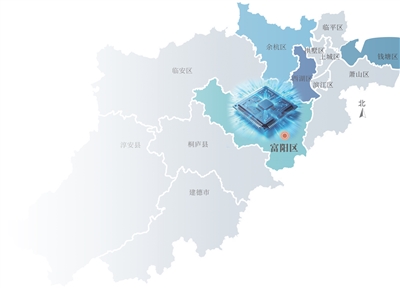 富阳正在打造“浙江光谷·富春芯城” 制图 高薇
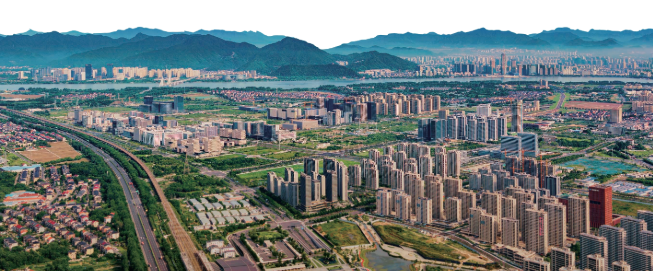 富春江畔的富阳8月6日起,都市快报推出《13天,点亮一座未来之城》系列报道,全景呈现杭州各区、县(市)特色发展路径,用13块“拼图”拼成一幅更高水平创新活力之城的新图景。第四天,点亮富阳区。 At a small shelter in Uganda, members of the LGBTQ community seek refuge from persecution after their government enacted one of the world's harshest anti-homosexuality laws earlier this year.Henry, whose full name is being withheld for safety reasons, runs the shelter along with a local clinic he says also serves the general community."Somebody has just called me that they need shelter. He has been evicted, and he's on his way," Henry told ABC News foreign correspondent James Longman.A man named Emmanuel arrives -- he says he hasn't slept in days and is seeking a place to stay to keep him off the streets. Later, he tells ABC News that he's estranged from his family and recently got kicked out of his home after the landlord spotted his boyfriend visiting."Every day that goes by, you feel like it's becoming more like you're in a box," said Emmanuel, whose full name is being withheld for safety reasons."My biggest fear is the police can find me anywhere," Emmanuel said.Despite that fear and the risk of showing his face, Emmanuel said he's tired of hiding."I wouldn't want to live in the fear. I'll stand in, to be that person who is not scared of being who I really am," Emmanuel said.Uganda has effectively made being gay illegal of what the law calls "aggravated homosexuality" -- up to life in prison or even execution. Someone simply advocating for gay rights could serve up to 20 years behind bars. Renting up a room to a gay couple could result in a 7-year prison sentence.Critically, failing to report same-sex acts to the police is also a crime, creating a culture of suspicion that people like Henry and Emmanuel have seen firsthand."Right now, I'm one of the victims of the bill," said Henry, who has been targeted and arrested before for helping gay people. Since ABC News' visit to the clinic, police raided and shut Henry's clinic down. Henry was arrested and released.
Hiding in plain sight
Just before the new law came into effect, Mona Lisa, a 29-year-old trans woman, had her home raided by Ugandan authorities. She was jailed for three months on charges of "homosexuality propaganda."Her apartment is the only place where she feels safe to be her true self. She pulls out a small suitcase from on top of a shelf. Inside, her prized outfits are stashed away in secret.Donning a bright blue and yellow-patterned wrap and matching pants, a dark brown bob, and red lipstick, Mona Lisa says, "I feel perfect. I feel like this is the Mona I want to be like on a daily basis."While there was a time when it was safer to be her true self in public, she says, "It's not happening now."Meanwhile, 27-year-old Eric was also arrested earlier this year. Inside his home, the young activist wears a striped rainbow shirt and his home is filled with color. His full name and location are being withheld for safety reasons.But it's not safe to go out like this, Eric says.For Eric and his friends, just existing is a form of defiance. On this night, going out to a club is their act of resistance."You can't go alone out -- in case something happens. You can't just go alone," Eric said.Gay clubs in Uganda have been shut down, so the group of friends head to a local dance party instead. It's not illegal to have a good time, but those who are gay understand the risks.Despite the positive energy at the party, there's potential danger lurking beneath the surface. One complaint, one annoyed neighbor, one over-curious passerby, and it could all end with police sirens and violence.Yet, for Eric and his friends, they say this release is crucial for their survival."I surround myself with people that accept me. It's important," Eric said.Denying the law's impact: 'We look at gay as a deviation'
Asuman Basalirwa is one of the Ugandan lawmakers who sponsored the new law and says other countries should respect Uganda's sovereignty."For us, we look at gay as a deviation," Basalirwa told ABC News.During a two-hour interview with Longman, Basalirwa repeatedly denied the negative impact of the new law on LGBT Ugandans."Let me tell you, I am a lawyer here, if anybody is being persecuted for existence, give me their contacts, I'll represent them free of charge. Where are they?" Basalirwa said.But Ugandan Human rights attorney Nicholas Opiyo says, "the stories I hear every day is different from what [Basalirwa] would want to tell you.""I have people who have been raped who are afraid to go to hospitals, because of fear of being reported. I have people who are hiding in their houses and are calling me for medical help, for food," Opiyo told ABC News.Exporting hate through evangelism
The Anglican church has spearheaded the anti-LGBTQ movement in Uganda, where more than 80% of people are Christian and nearly 14.4% of people are Muslim -- with a heavy emphasis on "traditional family."Pastor Simeon Kawiya leads a Christian church in Kampala and is a supporter of the new anti-homosexuality law. Kawiya believes that being gay is taught and not how people are born."It's not a human right to be gay. It's not," Kawaiya told ABC News."The Parliament of Uganda voted 100% in favor of anti-LGBT law. I mean, the whole country voted that way," Kawaiya continued.More than 30 African countries ban same-sex relations, according to Human Rights Watch.But some people, including preacher Kapya Kaoma, claim anti-LGBTQ sentiment on the continent has been influenced from the outside."The whole idea of the persecution of African LGBTQ people did not come from Africa. American Christian rightists are behind it," Kaoma told ABC News.While working as a preacher in Uganda, Kaoma took videos of American preachers speaking against homosexuality in the country that became part of the award-winning documentary, "God Loves Uganda."Several media outlets, including Open Democracy, have reported that U.S.-based Christian groups -- known for fighting everything from access to abortion to limiting LGBTQ right -- spent tens of millions of dollars across Africa over the last decade or more.The origins of the new anti-LGBTQ law in Uganda can be traced back to 2009, when a bill nicknamed "Kill the Gays" was drafted in parliament. It finally passed in 2014, but was struck down before it went into effect."The American Evangelicals also learned something. What they started doing is having conferences -- Africans with American Christian rightists coming together," Kaoma said.Just before the new anti-LGBTQ law went into effect earlier this year, the government of Uganda hosted a conference titled, "Protecting African Culture and Family Values," which included members of parliament and Uganda President Yoweri Museveni, who posted parts of it on his social media channels."There will be no promotion of homosexuality in Uganda," Museveni said.Ugandan state TV also showed Sharon Slater, head of Arizona-based evangelical group, Family Watch International, speaking at the conference."I cannot tell you the power that I think will reverberate across Africa that will affect the whole world from this conference…We must stop this cultural imperialism that is coming and destroying our children and our families," Slater said.Shortly after the conference, Museveni signed the anti-homosexuality bill into law."Sharon Slater cannot deny those connections, she has people working with her on the ground in Uganda," Kaoma said.Family Watch International denies it helped author Uganda's anti-LGBTQ law. According to their website, the group says it opposed the bill and the penalties, including the death penalty and the part that would punish people for not turning in others."Family Watch pleaded with Uganda's president that if he planned to sign the bill, to ensure that it be softened to include a safe-haven clause whereby people with unwanted same-sex attraction can voluntarily come forward to ask for help without fear of being arrested or penalized," a statement on their website said.Opiyo, the human rights lawyer, told ABC News, "Who I have sex with, who I love, is less important to a common person in the village.""Evangelical and cultural groups have jumped on this campaign as an issue for them, and have created a sense that there's widespread hatred in this country," Opiyo said.Looking ahead
The United States government invests nearly $1 billion annually in Uganda, according to the U.S. Embassy in Uganda.When asked what material response the Biden administration is planning, U.S. Secretary Antony Blinken told reporters at a press conference, "[Uganda's anti-homosexuality act] infringes very clearly on the human rights of Ugandan citizens…President Biden directed the government to evaluate all aspects of our engagement with Uganda…That process is ongoing and when I have any news for you on that front, I will share it."It's unclear if U.S. sanctions would have any effect.The World Bank has already stopped lending to Uganda and the European Union denounced the bill as well.Meanwhile, many of the young people in the country who spoke to ABC News wonder how they will survive in a country determined to punish them for merely living their lives."For me, it's all about freedom. Let us live in the moment, and be loved," Mona Lisa said.ABC News' Allie Weintraub, Jaclyn Skurie, Meagan Redman, and Stephanie Lorenzo contributed to this report.。富春江南岸,杭州富加镓业科技有限公司(以下简称“富加镓业”)的研发中心里,静得出奇,只有设备运转时发出的轻响。
B | 台子上摆着一排外形像“炼丹炉”的设备,里面“炼”着一种叫氧化镓的白色粉末。炉膛里的温度,高达1800℃。

C | 8个小时后,炉盖缓缓抬升,一个通体黝黑、形态匀整的圆锥状晶体出现在眼前,底部直径精准地卡在305毫米,也就是12英寸。

D | 今年3月,富加镓业首次研制出12英寸氧化镓单晶,刷新世界纪录,成为全球首家掌握这一技术的企业。“目前,国际上氧化镓衬底的最大尺寸是8英寸,冲12英寸,并不是简单的尺寸放大,而是生长技术的代际飞跃。”富加镓业副总经理黄浩天说。近日,富加镓业率先开展12英寸氧化镓MOCVD外延技术研发,成功将8英寸氧化镓MOCVD外延工艺首次外推至12英寸。这意味着,氧化镓芯片的“地基”做得更大了,未来能造出性能更强、成本更低的电力电子器件。为什么要造12英寸的?氧化镓是一种半导体材料,你可能没听说过它,但用它做出来的功率器件,能扛住更高的电压、承受更高的温度、损耗还更小,新能源汽车、储能电站、智能电网、数据中心,都离不开它。和目前最常用的半导体材料“硅”比起来,氧化镓就像个“特种兵”,更耐高温、更耐高压、性能更强。这个“特种兵”,特别难“伺候”。“氧化镓是单斜晶体结构,各向异性极强,生长过程中哪怕微小的参数扰动,都可能产生杂晶、引发开裂;尺寸越大,控制难度呈指数级上升。”黄浩天说。2019年,富加镓业落户富阳,团队只掌握2英寸小尺寸晶体的生长技术,距离最低6英寸衬底产业化的门槛,还有巨大的差距。“当时,氧化镓产业链在国内近乎空白,更少有企业布局外延、器件配套,美、日企业长期垄断高端衬底材料,对我国实施出口管制。

E | ”黄浩天说。怎么啃下这块硬骨头?团队在设计阶段就引入数值模拟技术,精准匹配氧化镓晶体的生长规律;同时,研发自主可控的生长装备,对炉内温场、气流、晶体运动状态实现了微米级的精度调控。

F | 无数次工艺调试之后,大尺寸单晶生长的技术瓶颈终于被突破。为什么12英寸这么重要?目前,主流的硅基生产线用的就是12英寸规格。氧化镓晶体长到12英寸,就可以直接“借用”现有的成熟产线,未来规模化量产之后,下游功率器件的制造成本会大幅降低。眼下,富加镓业国内首条6英寸氧化镓单晶及外延片生长线已具备量产能力,计划年底建成年产1万片6英寸的生产线。同时,富加镓业也在稳步推进8英寸量产、12英寸技术落地。从2英寸到12英寸,富加镓业用了不到7年时间。

G |
Current article:http://2ukf.xiaqingzhuangdaminnan.cyou/news/20260826_710446.html
Published on:17:23:38